Valencia is the third largest city in Spain, after Madrid and Barcelona. Rich in
agricultural and maritime resources. With over 100 kilometres of coastline this
vast province offers many possibilities.
Places to visit in Valencia:
- Walks: Valencia has some truly beautiful gardens (Jardines del Real, the Botanic
Garden, Jardin Monforte in the former the river bed of the Turía river).
Also recommended is a stroll around the narrow, winding streets of the Carmen
neighbourhood (el barrio del Carmen).
- Cathedral: dating back to
the 13th century you can see many architectural influences from Roman to Barroque.
- Arts
and Science Complex: A new multimillion complex, magnificent architecture
(Calatrava and Candela) - see photos.
- Lonja: gothic 1493, world
heritage site.
- Torres de Quart and Torres de los Serrano (Quart
Tower and Serrano Tower) - part of the city´s defensive system
- Palaces Palau de la Generalitat (Gothic 15th century), Palacio de Congresos (Congress
Centre designed by Norman Foster), Palacio de Cervelló, Palau de la Música…
- Museums Almudín (15th century), the Valencian Institute of Modern Art, the Blasco
Ibáñez museum, the Cathedral museum, the Bellas Artes museum, the City museum,
the Science museum, the Patriarch museum, the Fallero museum, the Historical museum,
the National Ceramics museum, the Bullfighting museum...
Shopping in Valencia : All the advantages
of shopping in a large city. Typical products include ceramics (the worldfamous
artisit Lladro comes from Valencia). We recommend horchata (a very refreshing
drink which looks a bit like milk and is made from tiger nuts), also the fartons
a la Alboraya (sweet bread sticks). Visit the Mercado Central where you can find
a wide range of fresh local products (even if you don´t want to buy anything
it´s still worth a visit just for the experience). Try some delicious cream
filled pastries with chocolate (the best place to try these is in the area near
the Cathedral).
All the advantages
of shopping in a large city. Typical products include ceramics (the worldfamous
artisit Lladro comes from Valencia). We recommend horchata (a very refreshing
drink which looks a bit like milk and is made from tiger nuts), also the fartons
a la Alboraya (sweet bread sticks). Visit the Mercado Central where you can find
a wide range of fresh local products (even if you don´t want to buy anything
it´s still worth a visit just for the experience). Try some delicious cream
filled pastries with chocolate (the best place to try these is in the area near
the Cathedral).
 Accommodation-Hotels. See our section on hotels
in Valencia. For individual reviews, check out this rural
hotel near Valencia. The hotel Molí
de Canysett is another interesting choice. The
El Saler Paradoris the nearest parador to Valencia, but is not one of
the best of the network of paradors (unless you want to spend your holiday playing
golf on the Saler golf course).
Accommodation-Hotels. See our section on hotels
in Valencia. For individual reviews, check out this rural
hotel near Valencia. The hotel Molí
de Canysett is another interesting choice. The
El Saler Paradoris the nearest parador to Valencia, but is not one of
the best of the network of paradors (unless you want to spend your holiday playing
golf on the Saler golf course).
Fiestas in Valencia: the most famous
fiestas are Fallas, held in March, a spectacle of noisy festivities, music and
fireworks. More information: Fallas
Valencia.
The Province of Valencia: The coast and interior
are very distinct areas. The Mancha or Aragon interior and the
mediterranean.
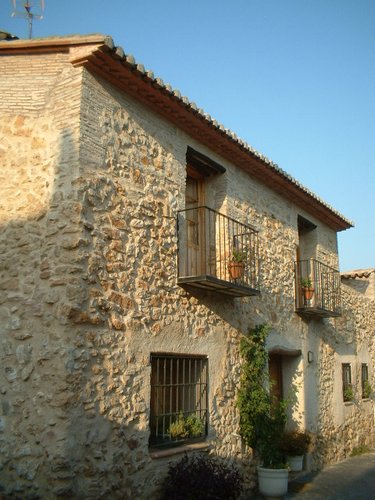 Villages in Valencia:
- Bocairent,
to the south of the province near the Mariola mountain range and the pretty area
called La Vall de Albaida.… a very interesting monumental town. For eating out
try El Riberet restaurant for good home cooking (Tel. 962 905 323).
- Buñol
(Bunyol), en la hoya que lleva su nombre abundant springs and picturesque
spots. A village well known for its sausages, cold meats...See the Buñol
castle. For eating out try the Venta de L´Home, located conveniently just off
the Madrid-Valencia road, an old military sentry post dating back to the 17th
century offering excellent traditional cuisine.
- Chulilla,
a village in the Turia mountain range, famous for its scenery, thermal waters
and spa baths. Visit the castle and the Los Ángeles church.
- Cullera,
rice fields, modern built-up residential areas and beaches next to a 12th century
castle. Visit the Rice museum. For eating out try Casa Salvador for its creative
cuisine (Tel.961 720 136).
- Gandia, See guide to Gandia - La Safor
 La Alcudia (L´Alcudia) Here you can find el Glabis restaurant, famous
for its enormous paellas (Tel. 962 541 093).
La Alcudia (L´Alcudia) Here you can find el Glabis restaurant, famous
for its enormous paellas (Tel. 962 541 093). - Liria (Lliria), The city
for Valencian music and the capital of the Turia area. Visit the arabic baths, Horno de la Villa del XV, Tossal de Sant Miquel, Iglesia de la Sangre.
Try a chicken and rabbit paella in Benissano in the Levante restaurant (Tel. 962
780 721).
- Oliva. See the guide to Gandia - La Safor. It has an interesting
hotel: El
Molí del Canysset.
- Onteniente (Ontenient), capital of la Vall de
Albaida, eat in El Tinell de Calabuig restaurant (Tel. 962 915 048).
- Requena
- Utiel, capitales de una comarca plagada de vides, Requena has an
interesting old neighbourhood, have a stroll down Paniagua alley, see the Salvador
and Santa Maria churches, the Cid palace, the Torre del Homenaje.
Eat in Uriel in El Carro restaurante (Tel. 962 171 131).
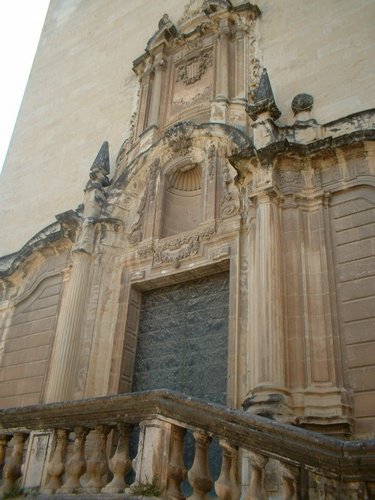 Sagunto, a town with important Iberian and Roman history. Visit the old Jewish quarter,
the castle, see the facade of the Diezmo palace, El Salvador and Santa Maria churches,
the Roman theatre, the archeological museum and the Diana temple.
Sagunto, a town with important Iberian and Roman history. Visit the old Jewish quarter,
the castle, see the facade of the Diezmo palace, El Salvador and Santa Maria churches,
the Roman theatre, the archeological museum and the Diana temple. - Játiva
(Xátiva), see the castle, the historic town centre, the collegiate church, the 15th century hospital (now a national monument), the San Feliz church and
the Almaudi museum.
If you wish to add any further
information or send any comments please write to us.
| Travelling to Valencia?
The following links may also be useful |
|
|
| Guides provinces bordering
with Valencia and beautiful
places in Spain nearby
|
|
|



 Travel guides to Spain